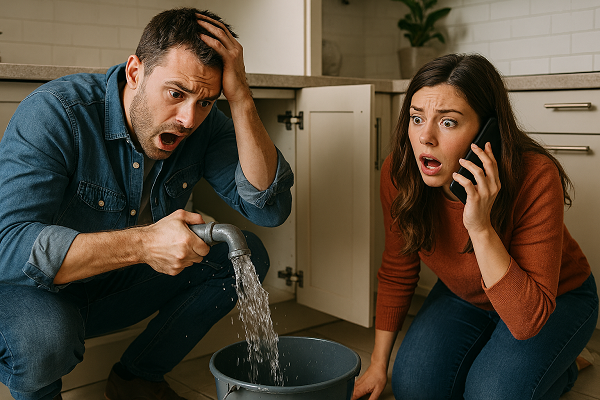
Learn emergency plumbing tips and plumbing emergency repair steps to protect your home and reduce damage.
Immediate Steps During a Plumbing Emergency
Acting fast can prevent major damage. Follow these critical steps:
- Shut off the water: Locate your main water shut-off valve (often in the basement, garage, or outside). Turn clockwise to stop water flow. For localized leaks, use the fixture's local valve.
- Turn off electricity: If water is near outlets or appliances, cut the power to avoid shocks.
- Stop small leaks: Use towels, buckets, or pipe tape to contain drips. Wrap burst pipes with cloth temporarily.
- Relieve pressure: Open faucets to drain remaining water from the pipes.
Prevent Further Damage
- Move valuables: Protect furniture, electronics, and rugs from water damage.
- Avoid using plumbing: Do not flush toilets or run water until repairs are complete.
- Ventilate: Open windows or use fans to reduce moisture and prevent mold.
Get Professional Help
- Call an emergency plumber: Provide clear details about the problem (burst pipe, overflowing toilet, sewer backup).
- Document the damage: Take photos or videos for insurance claims once it is safe.
Tip: Look for 24/7 emergency plumbing services in your area to handle urgent situations.
What Not to Do During a Plumbing Emergency
- Do not ignore ongoing leaks.
- Do not use chemical drain cleaners for severe blockages—they may worsen damage.
- Do not attempt complex repairs if you are unsure.
Common Plumbing Emergencies Covered
- Burst or frozen pipes
- Overflowing toilets
- Sewer backups
- No water supply
- Major leaks or flooding